Solar Power Engineered For The
Perth Climate
A Solar System Is Two Things
Working Together.
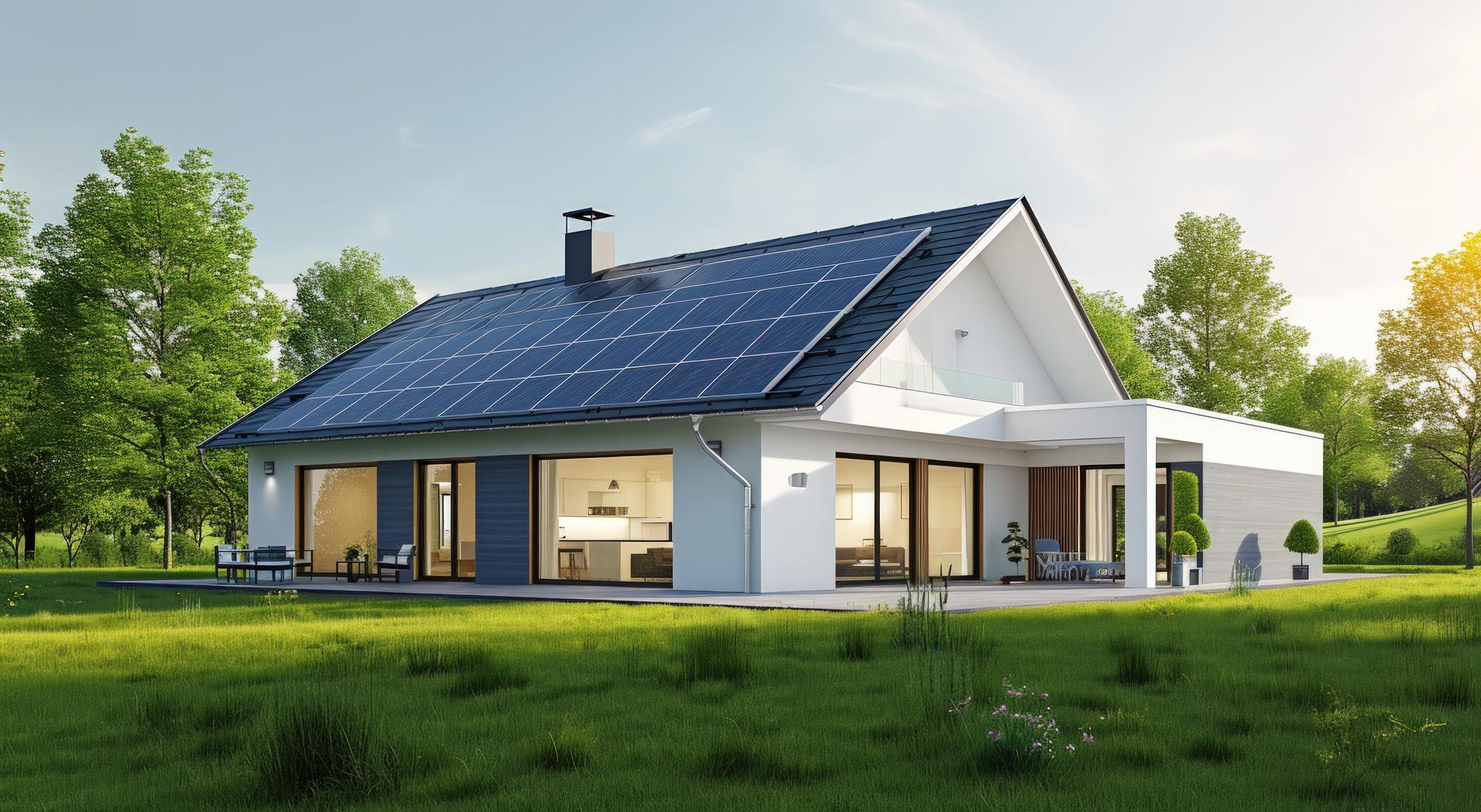
Atitssimplest,arooftopsolarsystemisapartnershipbetweentwopiecesofhardware:thepanelsthatgenerateenergyfromthesun,andtheinverterthatconvertsitintopoweryourhomecanactuallyuse.Everythingelse—mountingrails,isolators,monitoring,cabling—existstosupportthosetwocomponents.
Thequalityofthepanelsdecideshowmuchenergyyougenerate.Thequalityoftheinverterdecideshowmuchofthatenergyreachesyourappliances,yearafteryear,through40°CPerthsummers.
Gettingbothrightisthedifferencebetweenasystemthatpaysbackinfiveyearsandonethatunderperformsfortwenty-five.RegenPoweronlyinstallsTier-1panelspairedwithpremiumEuropeaninverters—nocompromises,nobudgetsubstitutes.
Sun To Synergy Bill
In Four Steps
Sunlight Hits The Panels
Photovoltaic Cells Inside Each Panel Absorb Sunlight And Convert It Into Direct Current (DC) Electricity. A Typical Modern Panel Generates 420–450 Watts Under Peak Sun Conditions.
DC Flows To The Inverter
DC Electricity Travels Down The String Cables To Your Inverter. The Inverter Converts DC Into Alternating Current (AC) — The Form Of Electricity Your Appliances, Air-Conditioning, And Lights Actually Use.
Your Home Uses It First
AC Power Flows Into Your Switchboard And Powers Whatever's Running Right Now — Fridge, Pool Pump, Air-Con, EV Charger. This Is Where You Save The Most, Because You're Replacing Grid Electricity In Real Time.
Surplus Exports To Grid
Anything Your Home Isn't Using Is Exported To Synergy For A Feed-In Credit (DEBS) — Or, If You Have A Battery, Stored For Use After Sundown. A Well-Designed System Maximises Self-Consumption Before Export.
Six Tier-1 Panel Brands
One Quality Standard
All Our Panels Are BloombergNEF Tier-1, Trusted, Proven, And Built For The Long Run. These Are Manufacturers You Can Rely On 25 Years From Now. We Use N-Type TOPCon Cells, Today's Standard For Performance. More Efficiency, Better Low-Light Output, And Less Degradation Than Older Tech.

String, Hybrid Or Micro
Which Inverter Is Right For You
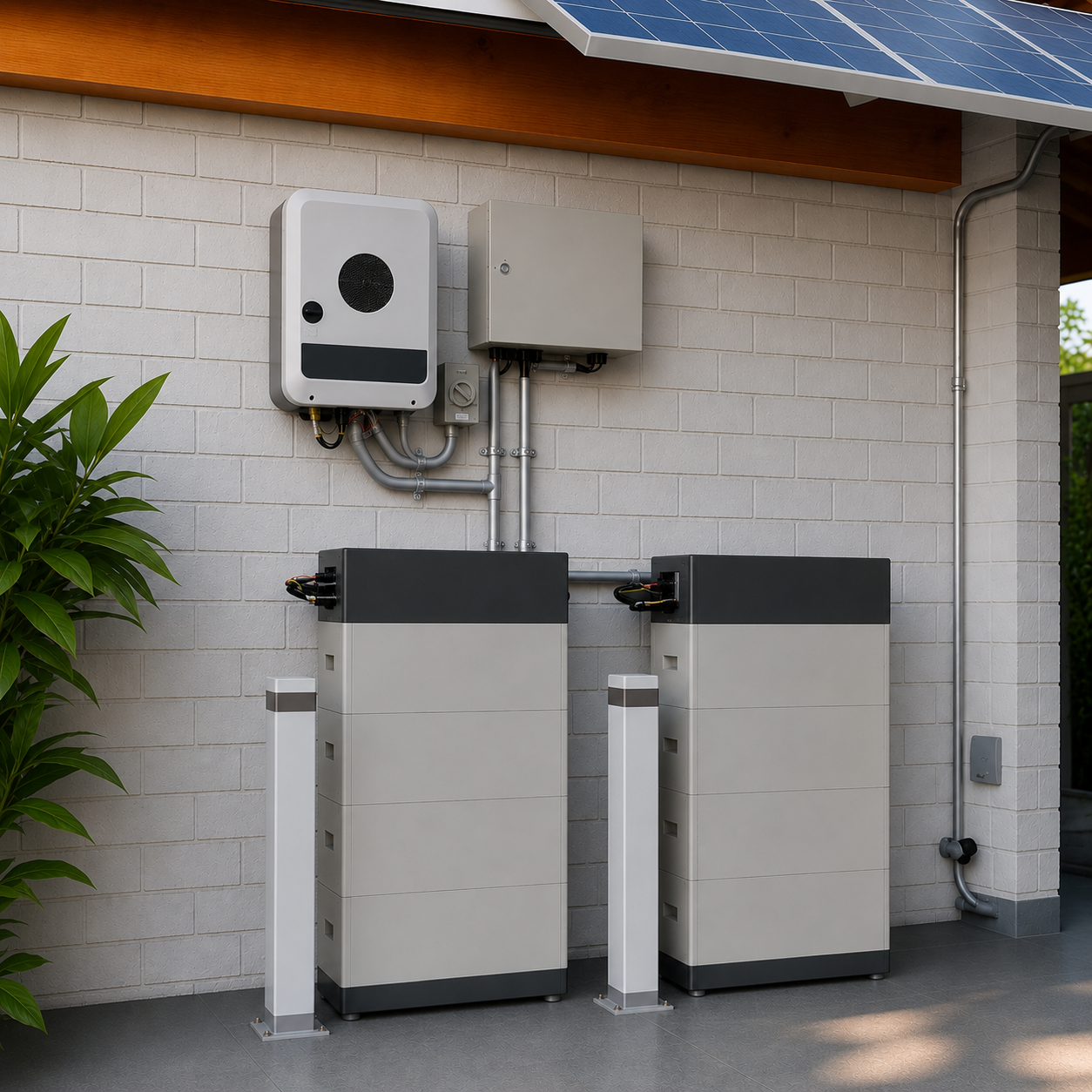
The Inverter Is The Brain Of Your Solar System — Turning DC From Panels Into Usable AC Power. It Also Manages Energy Flow, Battery Charging, And EV Integration. There Are Three Main Types, And The Right One Depends On Your Roof, Battery Plans, And Future Energy Needs.
String
How It Works
One Central Inverter That Converts DC Solar Power Into AC Power For Immediate Household Use.
Best For
Straightforward Roofs With A Single Orientation. No Battery Planned.
Efficiency
Achieves 96.5–98% Efficiency, Maximizing Energy Output With Minimal Power Loss.
Brands We Install
Fronius Primo / Symo, SMA Sunny Boy, Sungrow
Monitoring
Whole-System (String-Level) Via Inverter App.
Five Specs That Actually
Affects Your Returns
Most Solar Brochures List A Dozen Specifications, Half Of Which Have No Meaningful Impact On Your Long-Term Savings. These Five Are The Ones Worth Understanding.
Panel Wattage
The Rated Output Of A Single Panel Under Ideal Conditions. Higher Wattage = More Power Per Square Metre Of Roof. Matters Most When Roof Space Is Tight.
Panel Efficiency
The Percentage Of Sunlight Converted Into Electricity. Premium Panels Sit At 21–22.5%. This Is Different From Wattage, It's Output Per Area, Not Per Panel.
Temperature Coefficient
How Much Output Drops Per Degree Above 25°C. Critical In Perth — Rooftop Panels Regularly Hit 60°C+ In Summer. Lower (More Negative) Is Worse. N-Type TOPCon Is Meaningfully Better Than P-Type PERC Here.
Annual Degradation Rate
How Much The Panel's Output Falls Each Year As It Ages. Over 25 Years, The Difference Between 0.3%/Yr And 0.7%/Yr Compounds Into Thousands Of KWh Of Lost Generation.
Product Vs Performance Warranty
These Are Two Different Things. Product Warranty Covers Defects In The Panel Itself. Performance Warranty Guarantees A Minimum Output Level Over Time. Always Check Both, Some Budget Panels Bundle A Long Performance Warranty With A Short Product Warranty.
How Big Should My
Solar System Be?
The Right System Size Depends On Four Things: Your Daily Power Use, Your Household Size, The Phase Type Of Your Home's Power Supply, And How Much Usable Roof Space You Have.
| Daily Use | Recommended Size | Typical Household | Phase Required |
|---|---|---|---|
| Under 15 kWh/day | 5 kW system | 1–2 people, gas hot water, modest a/c | Single-phase |
| 15–25 kWh/day | 6.6 kW system | 3–4 people, ducted a/c, average Perth home | Single-phase (standard) |
| 25–35 kWh/day | 10 kW system | 4–5 people, pool, electric hot water, full a/c | Three-phase required |
| 35+ kWh/day | 13 kW+ system | Large home, EV charging, multiple heat pumps | Three-phase required |
Your Daily Power Use (KWh/Day)
Look At Your Most Recent Synergy Bill. The Total KWh Used ÷ Days In The Billing Period = Your Average Daily Use. Typical Perth Households Sit Between 15 And 30 KWh/Day.
Your Household Profile
Household Size, Daytime Occupancy, Ducted Vs Split-System A/C, Pool Pumps, Electric Hot Water, And EV Charging. Even One Of These Can Noticeably Increase Energy Use.
Single Or Three-Phase?
One Main Switch = Single-Phase; Three Main Switches In A Row = Three-Phase. This Determines The Maximum Solar System Size We Can Install.
Available Roof Space
Modern 440W Panels Are Roughly 1.95m × 1.1m, Or About 2.15m² Each. A 6.6kW System Needs ~32m² Of Usable, Unshaded North-Leaning Roof Space.
Your Daily Power Use (KWh/Day)
Look At Your Most Recent Synergy Bill. The Total KWh Used ÷ Days In The Billing Period = Your Average Daily Use. Typical Perth Households Sit Between 15 And 30 KWh/Day.
Your Household Profile
Household Size, Daytime Occupancy, Ducted Vs Split-System A/C, Pool Pumps, Electric Hot Water, And EV Charging. Even One Of These Can Noticeably Increase Energy Use.
Single Or Three-Phase?
One Main Switch = Single-Phase; Three Main Switches In A Row = Three-Phase. This Determines The Maximum Solar System Size We Can Install.
Available Roof Space
Modern 440W Panels Are Roughly 1.95m × 1.1m, Or About 2.15m² Each. A 6.6kW System Needs ~32m² Of Usable, Unshaded North-Leaning Roof Space.
Three Standards
One Regen Installation Quality
Every Regen Power System Is Built Around The Same Principle: Tier-1 Panels, Premium Inverters, And A WA-Licensed Install Crew. Our Three Package Tiers Differ In Component Brand, Inverter Capability, And Future-Readiness — Not In Installation Standards Or After-Sales Support.
Essentials
Reliable, rebate-ready, and built to last 25 years.
Panels
Tier-1 (Jinko, Canadian Solar or Risen)
Inverter
String — Sungrow or SMA
Warranty
25 yr panel product, 10 yr inverter, 10 yr Regen workmanship
Monitoring
whole-system via app
Battery-Ready
no (string inverter)
Premium
Higher-output N-type panels and a battery-ready hybrid inverter.
Panels
Tier-1 premium (LONGi or JA Solar)
Inverter
Hybrid — Fronius GEN24 or Sungrow SH
Warranty
25 yr panel product, 10 yr inverter, 10 yr Regen workmanship
Monitoring
whole-system + battery status
Battery-Ready
yes — add anytime
Signature
Top-tier panels, full smart-home integration, Tesla-ready.
Panels
Top-tier (LONGi Hi-MO or Trina Vertex S+)
Inverter
Premium hybrid — Fronius GEN24 Plus or Sigenergy
Warranty
25 yr panel product, 10 yr inverter (to 20 yr), 10 yr Regen workmanship
Monitoring
Panel-level + battery + smart-home integration
Battery-Ready
Yes — Tesla Powerwall certified
From First Call To Switch-On
Often In Two Weeks
Every Regen Power Install Follows The Same Six-Step Process. Our In-House Team Handles The Engineering, Paperwork, And Physical Installation — There's No Subcontracting And No Handoff Between Companies.
Free Consultation
A 15-Minute Call With A Regen Energy Advisor. We Review Your Bill, Household Setup, And Goals. No Pressure, No Sales Script.
Designed For The Perth Climate
Not A Generic Install
Founded In Perth In 2003 By Dr. Nikhil Jayaraj, Regen Power Is Still Privately Owned And Engineer-Led. So When You Call Years Later — Updates, Tariffs, Upgrades — You're Talking To The People Who Built Your System.
Perth Roofing Stock
Dedicated Flashing And Penetration Specs For Concrete Tile, Terracotta, And Metal Roofs. No Generic Brackets.
Debs Feed-In Optimisation
System Orientation And Battery Logic Tuned For The WA DEBS Tariff Structure, Maximising Peak-Period Self-Consumption.
Summer Heat Derating
Inverters Are Specified With Headroom For Sustained 40°C+ Rooftop Temperatures. We Don't Install On Capacity Limits.
Western Power Compliance
All Designs Respect Single-Phase 5 KW Inverter Limits And Export Constraints; DNSP Applications Handled In-House.
Coastal Corrosion
Stainless Steel Mounting Hardware And Marine-Grade Fastenings On Coastal Installs From Fremantle To Yanchep.
Paperwork And Connection
Synergy, Western Power, DEBS, And STC Paperwork Is Managed End-To-End By Our Perth Office. You Never See A Form.
FAQ
Solar System
Frequently Asked Questions
Savings depend on your usage and system size, but the average Perth home with a 6.6 kW system saves $1,800–$2,400 per year on electricity — enough to pay back the system in around 4–5 years. A tailored estimate based on your Synergy bill takes about 10 minutes on a call.
Get A Solar System Designed
For Your Home
Tell us a few details about your home and power use, and one of our Perth-based CEC-accredited designers will build a system tailored to your roof, your household, and your budget. Free, no-obligation, and no high-pressure sales calls — just a proper engineering recommendation.
Get My Free Quote